

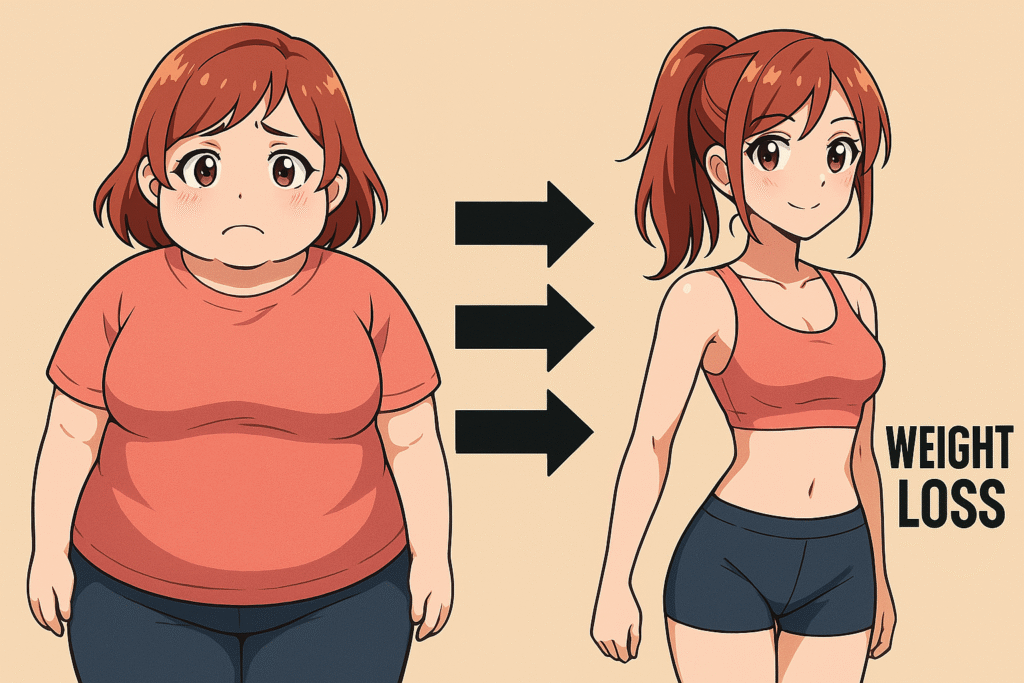
Weight Loss and Health: A Comprehensive Guide For All Ages

Maintaining a healthy weight is essential for overall well-being and involves balancing physical, mental, and social health. 

This guide highlights the importance of weight management in preventing chronic diseases, enhancing mobility, and boosting mental health. 

It provides tailored advice for different life stages: encouraging balanced nutrition and active play for children, sustainable habits for adults, and strength training for older adults. 

Key general tips include setting realistic goals, practicing mindful eating, avoiding fad diets, staying active, ensuring adequate sleep, and maintaining patience and consistency. 

The guide emphasizes the role of mental health, advising on addressing emotional eating, fostering positive self-talk, and managing stress. 

Ultimately, weight management is a lifelong commitment, and the guide encourages starting with small, sustainable changes tailored to individual needs.


Understanding Health and Weight Loss

Maintaining a healthy weight is a crucial aspect of overall well-being. Whether you’re young or old, irrespective, weight management plays an important role in fostering both physical and mental health. This guide explores health and weight loss suitable all ages, offering general tips and insights to help you embark on a successful journey toward a healthier lifestyle.

Understanding Health and Weight

The concept of health extends beyond the absence of disease. It encompasses physical, mental, and social well-being. Weight management is an essential part of health, as it influences various aspects of our lives, from energy levels to self-esteem.

The Importance of Healthy Weight

Maintaining a healthy weight is vital for several reasons:

  • Chronic Disease Prevention: Obesity increases the risk of developing chronic diseases such as diabetes, heart disease, and certain cancers.
  • Enhanced Mobility: A healthy weight supports better mobility and reduces the strain on joints, enhancing overall physical function.
  • Mental Well-being: Weight management positively affects mental health by boosting self-esteem and reducing symptoms of anxiety and depression.

Weight Loss Across Different Life Stages

Weight management requirements can vary significantly depending on one’s age. Here, we explore the unique considerations for different life stages.

Children and Adolescents

For children and teens, the focus should be on promoting a healthy lifestyle rather than weight loss. Encouraging balanced eating habits and regular physical activity is key.

  • Balanced Nutrition: Offer a variety of nutrient-rich foods, including fruits, vegetables, whole grains, and lean proteins.
  • Active Play: Encourage at least 60 minutes of physical activity daily. Activities can range from sports to simple outdoor play.
  • Limit Screen Time: Reducing screen time helps prevent sedentary behavior and encourages more active pursuits.

Adults

For adults, weight management typically involves a balance between diet and exercise. Developing sustainable habits is crucial for long-term success.

  • Portion Control: Be mindful of portion sizes to avoid overeating. Using smaller plates can help regulate portion sizes.
  • Regular Exercise: Aim for at least 150 minutes of moderate-intensity exercise per week. This can include activities like brisk walking, cycling, or swimming.
  • Hydration: Drinking plenty of water supports metabolism and can help control hunger.

Older Adults

As we age, metabolism slows down, and muscle mass tends to decrease. Maintaining a healthy weight while preserving muscle is essential for older adults.

    • Strength Training: Engage in strength-training exercises at least twice a week to maintain muscle mass and bone health.
    • Nutrient-Dense Foods: Focus on foods rich in nutrients but low in calories, such as leafy greens, berries, and lean proteins.
    • Regular Check-ups: Regular medical check-ups can help monitor health conditions that may affect weight management.

General Tips for Weight Loss

While individual needs may vary, certain general tips can apply broadly to anyone looking to lose weight healthily.

  1. Set Realistic Goals

Setting achievable, realistic goals is the cornerstone of successful weight loss. Instead of aiming for rapid weight loss, focus on gradual changes that can be maintained over time. Aim to lose 1-2 pounds per week, which is considered a healthy and sustainable rate.

  1. Mindful Eating

Practicing mindful eating can transform your relationship with food. It involves paying full attention to the experience of eating and savoring each bite. This practice can help you recognize hunger cues, prevent overeating, and enjoy your meals more.

  1. Avoid Fad Diets

Fad diets often promise quick results but can be unsustainable and sometimes harmful. Instead, focus on balanced eating patterns that include all food groups. Remember, the goal is to create lifelong habits, not temporary fixes.

GET MORE ON THE WEIGHT LOSS

  1. Stay Active

Incorporate physical activity into your daily routine. Find activities you enjoy, whether it’s dancing, hiking, or yoga, to ensure you stay motivated. Consistent exercise not only aids weight loss but also improves mood and energy levels.

  1. Sleep Well

Adequate and comfortable sleep is crucial for weight management and overall health. Poor sleep can disrupt hormones that regulate hunger, leading to increased appetite and weight gain. Aim for 7-9 hours of quality sleep each night.

  1. Be Patient and Consistent

Weight loss is a journey that requires patience and consistency. Celebrate small victories along the way and don’t be discouraged by setbacks. Remember, it’s about progress, not perfection.

  1. Seek Support

Whether it’s joining a support group, working with a nutritionist, or enlisting a workout buddy, having support can make a significant difference in your weight loss journey. Sharing experiences and challenges can provide motivation and accountability.

The Role of Mental Health in Weight Loss

GET MORE ON THE WEIGHT LOSS

Mental health and weight are closely intertwined. Emotional well-being is a critical component of a successful weight loss journey.

  • Address Emotional Eating: Identify and address triggers that lead to emotional eating. Developing healthier coping mechanisms, such as journaling or talking to a friend, can help.
  • Positive Self-talk: Cultivate a positive outlook toward yourself and your goals. Encourage self-compassion and avoid negative self-talk, which can undermine efforts.
  • Stress Management: Chronic stress can impact weight by influencing hormones and appetite. Incorporate stress-reduction techniques like meditation, deep breathing, or exercise into your routine.

Conclusion

Weight management is a lifelong commitment that involves balancing diet, exercise, and mental well-being. By understanding the specific needs of each life stage and incorporating practical tips, anyone can make strides toward a healthier weight and improved overall health.

Remember, the journey to health and weight loss is personal, and the most important step is to start with small, sustainable changes.

                                              Happy Beginning For Health, Fitness & Happiness

Leave a Comment

Your email address will not be published. Required fields are marked *

Scroll to Top