
Fitness is a journey that encompasses various forms of physical activity, each designed to enhance different aspects of our health and well-being.
Whether you’re a beginner taking your first steps toward a healthier lifestyle or an experienced fitness enthusiast looking to diversify your routine, understanding the different types of exercises available can help you create a balanced and effective workout plan.
Today, we’ll explore both conventional and non-conventional exercise types, their importance, and how they can work together to optimize your fitness goals.
Conventional Exercise Types
Conventional exercises are the traditional, time-tested methods that have formed the foundation of fitness programs for decades.
These exercises are widely recognized, scientifically backed, and accessible to most people.
1. Cardiovascular Training
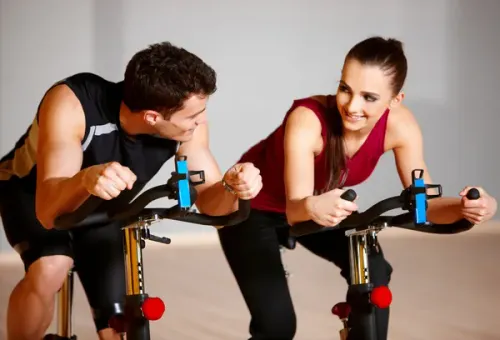
Cardiovascular or aerobic exercises are designed to increase your heart rate and improve the efficiency of your cardiovascular system.
-Running, jogging, cycling, swimming, and brisk walking – are classic examples.
These exercises strengthen your heart, improve lung capacity, burn calories, and enhance overall endurance.
The American Heart Association recommends at least 150 minutes of moderate-intensity cardio per week for optimal heart health.
2. Strength Training
Strength or resistance training involves working against resistance to build muscle mass, increase bone density, and boost metabolism.
– Weightlifting, body weight exercises like push-ups and squats, and resistance band workouts – fall into this category.
Strength training is crucial not just for building muscle, but also for maintaining functional fitness as we age and preventing osteoporosis.
3. Flexibility Training
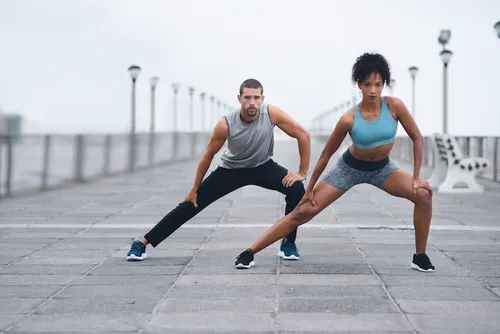
Often overlooked but equally important, flexibility exercises help maintain range of motion in joints and prevent injuries – Static stretching, dynamic stretching, and traditional yoga – are conventional flexibility methods.
These exercises improve posture, reduce muscle tension, and enhance overall movement quality.
4. Core Training
Core exercises target the muscles in your abdomen, lower back, and pelvis.
Planks, crunches, sit-ups, and leg raises – are standard core-strengthening movements.
A strong core is essential for balance, stability, and preventing back pain.
The Importance of Conventional Exercises
Conventional exercises have stood the test of time for good reasons.
They’re backed by extensive research, making their benefits well-documented and predictable.
They’re also widely accessible, with most gyms equipped to support these activities and countless resources available for learning proper form.
Additionally, conventional exercises provide “a structured framework”, that makes it easy to track progress, set measurable goals, and follow established training programs.
1. Non-Conventional Exercise Types
Non-conventional exercises break away from traditional gym routines, offering creative and often more engaging ways to stay fit.
These methods can be particularly appealing to those who find conventional workouts monotonous.
2. Functional Fitness
Functional training focuses on movements that mimic everyday activities.
“Kettlebell swings, battle ropes, tire flips, and medicine ball throws” train multiple muscle groups simultaneously and improve real-world strength.
This approach emphasizes movement patterns over isolated muscle work.
3. Mind-Body Exercises
These practices combine physical movement with mental focus and breath control.
“Pilates, Tai Chi, Qigong, and Barre workouts” fall into this category.
They improve body awareness, reduce stress, and enhance the connection between mind and muscle.
4. Dance-Based Workouts
Dance fitness makes exercise feel less like work and more like play.
“Zumba, hip-hop dance classes, ballet fitness, and dance cardio” – provide excellent cardiovascular benefits while improving coordination, rhythm, and self-expression.
5. Adventure and Outdoor Activities
Taking fitness outside the gym can be incredibly rewarding.
“Rock climbing, parkour, hiking, kayaking, and stand-up paddleboarding”
offer full-body workouts while connecting you with nature and providing mental refreshment.
6. Martial Arts and Combat Sports
These disciplines combine fitness with self-defence skills and mental discipline.
“Boxing, kickboxing, Brazilian Jiu-Jitsu, Muay Thai, and Capoeira” provide intense cardiovascular workouts, build strength, and improve reflexes and coordination.
7. The Importance of Non-Conventional Exercises
Non-conventional exercises offer unique benefits that complement traditional training.
They “combat workout boredom” by introducing variety and novelty, which can significantly improve long-term adherence to fitness routines.
Many non-conventional exercises emphasize “functional movement patterns” that translate better to daily life activities.
They also tend to “engage the mind more actively”, requiring focus, coordination, and problem-solving, which can enhance cognitive function alongside physical fitness.
8. Finding Your Balance
The most effective fitness approach often combines both conventional and non-conventional exercises.
Conventional methods provide the “foundational strength, endurance, and flexibility” necessary for overall fitness, while non-conventional approaches add “variety, engagement, and functional benefits” that keep you motivated and well-rounded.
Consider building a weekly routine that includes cardiovascular work, strength training, and flexibility exercises as your foundation, then supplement with non-conventional activities that align with your interests.
Perhaps you lift weights three days a week but also attend a dance class or go rock climbing on weekends.
Conclusion
Understanding the spectrum of exercise types available empowers you to create a fitness routine that’s not only effective but also enjoyable and sustainable.
Whether you prefer the structured predictability of conventional exercises or the creative freedom of non-conventional approaches, both have valuable roles in a comprehensive fitness program.
The key is to stay active, challenge your body in different ways, and most importantly, find activities you genuinely enjoy – because the best exercise is the one you’ll actually do consistently.