Preventive Measures and Individual Contributions for a Better Environment
The environmental problems our planet faces today can feel impossibly big and scary. But here’s the good news: every single one of us has the power to make things better.
Taking care of our environment isn’t just something governments and big companies should worry about – it starts with you and me, with the choices we make every day and the actions we take together.
When we learn about ways to prevent environmental damage and start living more sustainably, each of us can make a real difference in protecting our planet. And when we do that, we’re also protecting our own health and the health of everyone around us.
In this article, we’ll look at practical things you can actually do—simple, real-world steps that anyone can take to help create a cleaner, healthier environment for all of us.
Making Healthier Environment
Cleaning Our Surroundings
Preventive Measures: A Multi-Level Approach
1. Policy and Regulatory Measures
Strong environmental policies form the backbone of prevention.
Governments must enforce stringent air quality standards, regulate industrial emissions, protect water sources from contamination, and restrict the use of harmful chemicals.
International agreements on climate action, such as emissions reduction targets, create frameworks for coordinated global response.
Zoning laws that separate residential areas from industrial zones, mandatory environmental impact assessments for development projects, and investment in green infrastructure all serve as preventive measures at the policy level.
2. Community-Level Prevention
Urban planning that prioritizes green spaces, pedestrian-friendly designs, and public transportation reduces pollution while promoting physical activity.
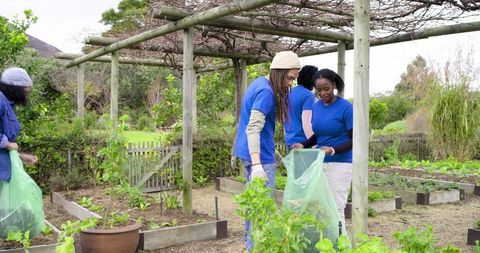
Community gardens improve local food security and air quality.
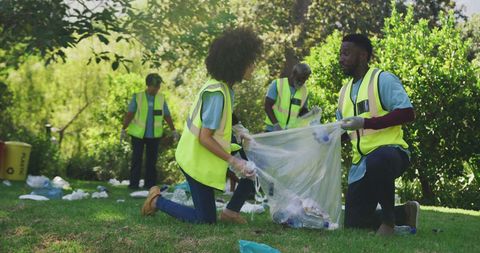
Neighborhood clean-up initiatives, tree-planting campaigns, and local recycling programs create cleaner, healthier environments.
Public awareness campaigns educate residents about environmental risks and protective behaviors, empowering communities to advocate for their health.
3. Workplace and Institutional Measures
Workplaces and institutions can implement comprehensive environmental health programs.
This includes proper ventilation systems, safe handling and disposal of hazardous materials, reducing energy consumption, eliminating single-use plastics, and creating green procurement policies.
Schools can integrate environmental education into curricula, teaching children about sustainability from an early age.
Healthcare facilities can adopt environmentally responsible practices, recognizing that protecting the environment is fundamental to their mission of promoting health.
Renewable energy systems – solar, wind, hydroelectric, and geothermal, reduce dependence on fossil fuels.
Electric vehicles and improved public transportation decrease air pollution.
Water purification technologies ensure access to safe drinking water.
Precision agriculture minimizes pesticide use while maintaining crop yields.
Green building technologies create energy-efficient structures with improved indoor air quality.
Supporting and adopting these innovations accelerates the transition to a sustainable future.
Community Green Houses
open Offices
How Every Individual Can Contribute
1. Reducing Energy Consumption
At Home
Simple changes yield significant impacts.
Switch to LED bulbs, which use 75% less energy than incandescent bulbs.
Unplug electronics when not in use to eliminate phantom energy drain. Use programmable thermostats to optimize heating and cooling.
Properly insulate homes to reduce energy waste.
Choose energy-efficient appliances with high Energy Star ratings. Consider installing solar panels if feasible, or opt for renewable energy from utility providers.
Daily Habits
Air-dry clothes instead of using dryers.
Take shorter showers and use cold water for laundry when possible.
Turn off lights in unoccupied rooms. Use natural lighting during daytime hours.
These small adjustments, multiplied across millions of households, create substantial energy savings and reduce greenhouse gas emissions.
Sustainable Transportation Choices
Transportation represents a major source of air pollution and carbon emissions.
Walk or bicycle for short trips—this benefits both environmental and personal health.
Use public transportation whenever possible; buses and trains produce significantly fewer emissions per passenger than individual vehicles.
Carpool with colleagues or neighbors to reduce the number of vehicles on roads. When purchasing a vehicle, consider
Hybrid or electric options. Maintain vehicles properly to ensure optimal fuel efficiency. Combine errands into single trips to minimize driving.
Segregation Of Garbage
Organizing Garbage Collection At Home
2. Water Conservation and Protection
Water is precious, and conserving it protects both quantity and quality.
Fix leaks promptly, a dripping faucet can waste thousands of gallons annually.
Install low-flow showerheads and faucet aerators.
Run dishwashers and washing machines only with full loads.
Collect rainwater for garden irrigation. Avoid water pollution by properly disposing of medications, paints, and chemicals rather than flushing them.
Use phosphate-free, biodegradable cleaning products.
Minimize pesticide and fertilizer use in gardens, as these chemicals contaminate groundwater and waterways.
3. Waste Reduction and Responsible Consumption
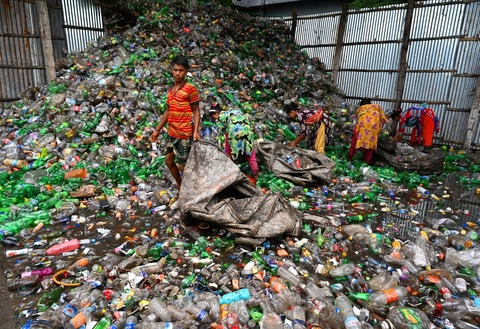
The waste we generate has profound environmental consequences.
Embrace the “5 Rs”:
Refuse unnecessary items,
Reduce consumption,
Reuse items whenever possible,
Repair rather than replace, and
Recycle properly.
Avoid single-use plastics
carry reusable shopping bags,
water bottles,
coffee cups, and
food containers.
Choose products with minimal packaging. Compost organic waste to reduce landfill burden while creating nutrient-rich soil.
Buy secondhand items when appropriate. Support companies committed to sustainable practices and ethical production.
Reduce meat consumption, particularly beef, as livestock production generates substantial greenhouse gases and requires extensive land and water resources.
Choose locally sourced, seasonal produce to reduce transportation emissions.
Support organic farming practices that avoid synthetic pesticides and promote soil health.
Minimize food waste by planning meals, storing food properly, and using leftovers creatively.
Grow your own vegetables and herbs if space permits, even small container gardens contribute.
5. Green Your Living Space
Create healthier indoor environments while supporting outdoor ecosystems.
Use non-toxic cleaning products or make your own with vinegar, baking soda, and lemon.
Choose low-VOC paints and furnishings to improve indoor air quality.
Incorporate houseplants that naturally filter air pollutants.
Maintain proper ventilation. In outdoor spaces, plant native species that support local wildlife and require less water. Create habitats for pollinators by planting flowers and avoiding pesticides.
6. Advocacy and Education
Individual actions gain power when combined with collective advocacy.
Stay informed about environmental issues affecting your community.
Vote for leaders who prioritize environmental protection.
Support environmental organizations through donations or volunteering.
Speak up at community meetings about environmental concerns.
Educate others, especially children, about environmental stewardship.
Share knowledge and inspire action through social media and personal networks.
Participate in citizen science projects that contribute to environmental monitoring and research.
Mindful Consumer Behavior
Every purchase is a vote for the kind of world we want.
Buy less, choose well – prioritize quality over quantity.
Research companies’ environmental records before purchasing.
Support businesses with transparent supply chains and sustainable practices.
Choose durable products designed for longevity rather than disposability.
Consider the full lifecycle of products, from production through disposal.
Embrace minimalism where appropriate, recognizing that less consumption often leads to greater satisfaction and reduced environmental impact.
To Sum-up
Environmental health protection requires action at every level, from international policy to individual daily choices.
While systemic changes remain essential, the cumulative effect of millions of individuals making conscious environmental decisions creates powerful momentum for change.
Each person possesses the ability to reduce their environmental footprint, protect natural resources, and contribute to cleaner air, water, and soil.
The journey toward environmental sustainability doesn’t demand perfection – it requires consistent, thoughtful effort.
Start with changes that feel manageable, then gradually expand your environmental consciousness. Remember that every action matters, every choice counts, and every individual can make a difference.
By taking responsibility for our environmental impact and inspiring others to do the same, we collectively create the healthier, more sustainable world that future generations deserve. The time to act is now, and the power to create change begins with you.